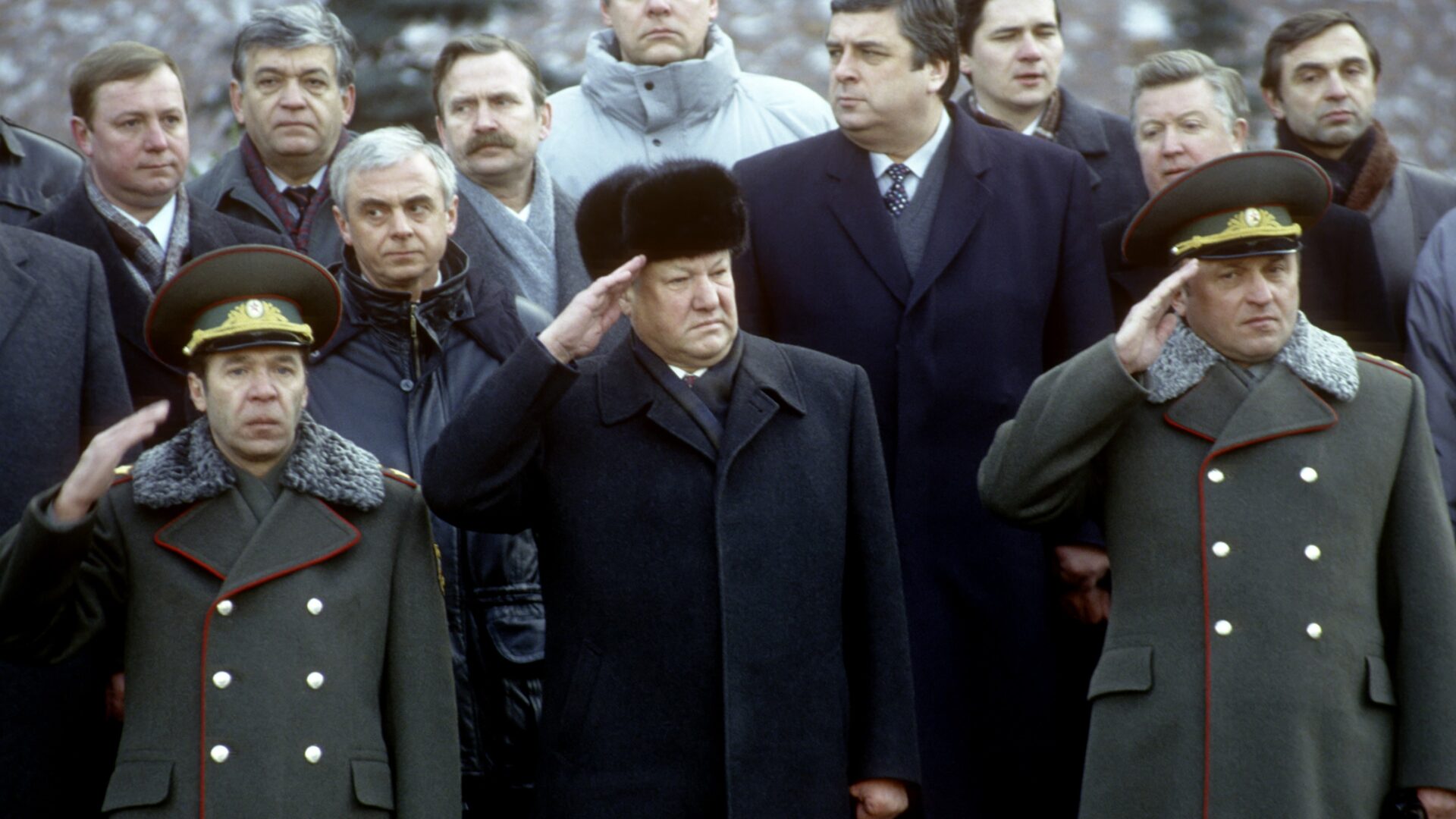
In recent years, new types of nondemocratic government have come to the fore, notably competitive authoritarianism. Such regimes, though not democratic, feature arenas of contestation in which opposition forces can challenge, and even oust, authoritarian incumbents.
About the Authors
Steven Levitsky
Steven Levitsky is David Rockefeller Professor of Latin American Studies and professor of government and director of the David Rockefeller Center for Latin American Studies at Harvard University.
Lucan Way is Distinguished Professor of Democracy at the University of Toronto, co-director of the Petro Jacyk Program for the Study of Ukraine, and co-chair of the Journal of Democracy Editorial Board.
Can a regime built by and centered around a populist strongman survive that strongman’s death? A natural experiment is now unfolding in Venezuela as a resurgent opposition and a crisis…
Slobodan Milošević fell in the fall of 2000 after he tried to pervert national election results. He had tampered with elections before and survived. What made 2000 different, and what…