
Why the Iranian Regime Owns the Streets

  • Mohammad Ali Kadivar
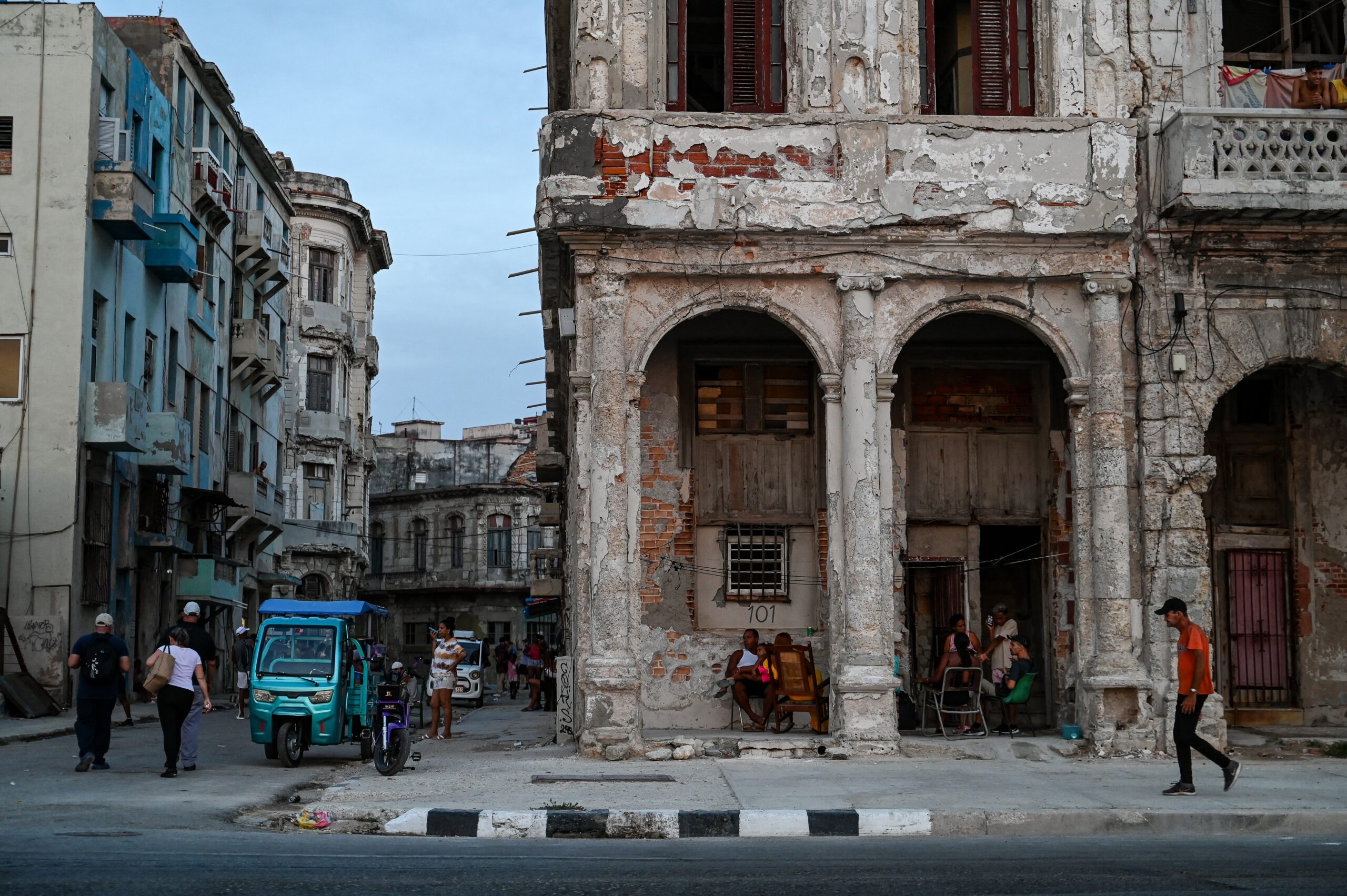
The progovernment rallies that crowd Iran’s streets are no accident. They are a critical and underappreciated pillar of the regime’s strength, and they are shaping Iran’s response to the war.

What Bolivia Teaches Us About Defeating Authoritarians

  • Jhanisse Vaca Daza
In the lead up to elections, the country’s polarization deepened. But Bolivians showed how a massive civil society movement can organize to restore democracy. It’s a blueprint for nonviolent activists everywhere. 
April 2026, Volume 37, Issue 2

Why Elected Leaders Subvert Democracy

  • Susan Stokes
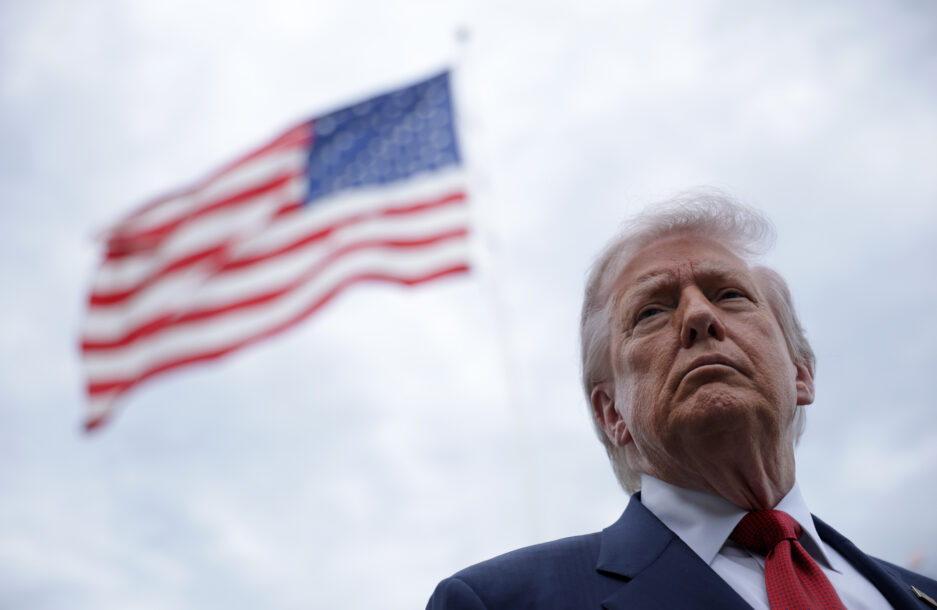
Today, the principal challenge to democracy is coming not from coups but from democratic erosion driven by elected leaders. What is behind this shift, and how can prodemocracy forces push back?
April 2026, Volume 37, Issue 2

Why We Elect Former Dictators and Their Children

  • James Loxton
Over the last half-century, a surprising share of new democracies have put their former dictators, or the children of those dictators, back in power. What explains the electoral success of these “dictocrats” and “dictobrats”?

More from the Journal


View Archive

Free

April 2026, Volume 37, Issue 2

How Courts Undermine Democracy

The judiciary is widely assumed to defend democracy. Yet in reality, even when independent of elected governments, courts can endanger democracy—sometimes by enabling executives and sometimes by aggressively fighting them.

Free

April 2026, Volume 37, Issue 2

How to Secure Venezuelan Democracy

Venezuela has a path to democracy, but it requires dismantling the old regime. María Corina Machado, the country’s true democratic leader, must signal her credibility as a moderate through a framework of transitional justice. It won’t be perfect justice, but it is Venezuela’s best hope.

Free

April 2026, Volume 37, Issue 2

Pluralism, Polarization, and Political Voyeurism

Decentralized governance allows communities to enact policies that reflect their values. But in the digital age, when news spreads far and fast, what’s happening in one place may inflame citizens’ attitudes thousands of miles away, magnifying political differences and division.

Latest Online Exclusives

How to Defeat the Authoritarian Message | Filip Milačić
If democracy’s defenders want to push back against authoritarianism, they must learn to tap into patriotic language and a sense of national identity. Such emotional appeals shouldn’t be left to autocrats and demagogues.

How Péter Magyar Defeated Viktor Orbán | Sándor Ésik
The opposition party leader pulled off the most stunning election upset in modern Hungarian history. Magyar did it by taking the fight to the countryside and winning over Orbán voters who were tired of corruption and poor results.

The Day After Hungary’s Pivotal Election | Stefania Kapronczay and Breza Race Maksimovic
As Hungary approaches a crucial election, Viktor Orbán finds himself vulnerable. These are the three most likely postelection scenarios and how civil society must respond.

News & Updates

The April Issue Is Here

April 2026

Read why AI isn’t the autocrat’s silver bullet, how authoritarian middle powers are subverting democracy, why the global democratic recession should have come as no surprise, what we misunderstand about populism and how it affects liberal democracy, and much more.


Safeguarding Democracy for the AI Era

March 2026

Thousands of workers lost their jobs last week — laid off by CEOs anticipating sweeping changes to their businesses made possible by the latest advances in artificial intelligence.


View More

Most Read

Free

How Viktor Orbán Wins

The case of Hungary shows how autocrats can rig elections legally, using legislative majorities to change the law and neutralize the opposition at every turn, no matter what strategy they adopt.

Free

Pluralism, Polarization, and Political Voyeurism

Decentralized governance allows communities to enact policies that reflect their values. But in the digital age, when news spreads far and fast, what’s happening in one place may inflame citizens’ attitudes thousands of miles away, magnifying political differences and division.

Free

The Limits of Authoritarian AI

Artificial intelligence is often seen as a silver bullet for authoritarians, a breakthrough technology making repression cheaper, faster, and more precise. But it has inherent weaknesses, and dictators can’t escape these dilemmas.

Free

Why Elected Leaders Subvert Democracy

Today, the principal challenge to democracy is coming not from coups but from democratic erosion driven by elected leaders. What is behind this shift, and how can prodemocracy forces push back?

Free

When Populism Can Be Good

Populism is too often treated as if it is all one thing. But what if populist politics and democratic backsliding didn’t have to go together? A closer look reveals two kinds of populism, one of which is less threatening to…