
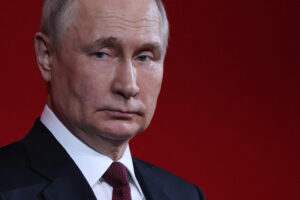
Why Vladimir Putin’s Luck Ran Out
For twenty years, the Russian autocrat enjoyed a string of good fortune in coming to power and cementing his rule. He had raised Russia’s standing in the world. Then he invaded Ukraine. | Michael McFaul
836 Results
For twenty years, the Russian autocrat enjoyed a string of good fortune in coming to power and cementing his rule. He had raised Russia’s standing in the world. Then he invaded Ukraine. | Michael McFaul
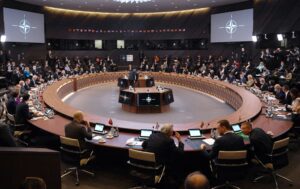
The Russian invasion of Ukraine has given the world’s democrats a renewed sense of unity and purpose. Putin’s reckless gamble may unexpectedly strengthen democracy in Europe and beyond. 21 March 2022 By Lucan Way As Russian rockets bombarded Kyiv on the night of Thursday, February 24, the world appeared to be on the cusp of…
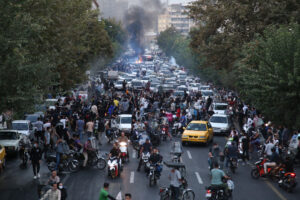
There have been numerous waves of protest against the country’s corrupt theocracy. This time is different. It is a movement to reclaim life. Whatever happens, there is no going back. | Asef Bayat
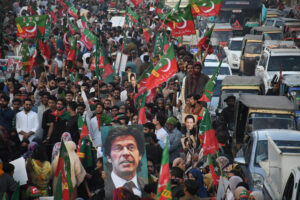
The break between the military and former prime minister Imran Khan marks a new era of instability. Is this the rise of an autocratic deep state or the fall of authoritarian populism? | Ayesha Jalal
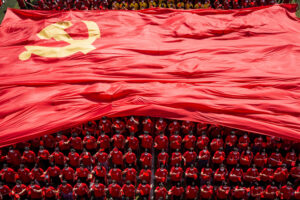
China’s totalitarian regime is built on surveillance, censorship, and repression, with harsh penalties for anyone who dares to defy it. Xi Jinping and the Chinese Communist Party have ambitions that extend beyond China’s borders. The following Journal of Democracy essays explore how China undermines democracy both at home and abroad. Read for free now.
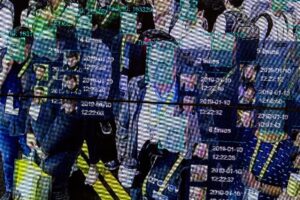
Artificial Intelligence has become autocrats’ newest tool for surveilling, targeting, and crushing dissent. But this supercharged technology doesn’t need to favor tyrants. Activists must learn how to harness it in the fight for freedom.
Our most-read essays of 2023 covered the state of India’s democracy, Russia’s war on Ukraine, the protests in Iran, and more.

Faith in democracy is fading, as citizens increasingly find self-rule slow, tired, and opaque. It’s time for democratic institutions to lean into the tech revolution. Digital governance isn’t a gadget; it’s democracy’s lifeline.
On 19 March 2019, January-issue contributors Ronald J. Deibert and Xiao Qiang discussed new dangers presented by social media and related digital tools with Shanthi Kalathil and Christopher Walker of NED’s International Forum for Democratic Studies.
March 19, 2019
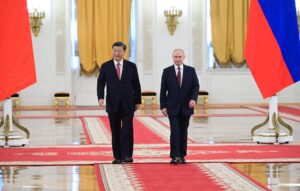
They are benefiting from a world that has grown more hostile for democracy and human rights. But it doesn’t need to be the case. Democracies need to double down on their own competitive advantage.
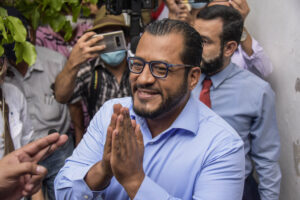
Economic freedom is one of a tyrant’s first targets. My family and I have experienced this firsthand. But tools like Bitcoin offer a lifeline for activists fighting repressive states.
Drawing on their essays in the October 2011 and January 2012 issues of the Journal of Democracy, Andrew Reynolds and John Carey discussed the constitutional and electoral designs chosen by Tunisia, Libya, and Egypt.
March 29, 2012

The world increasingly appears afflicted by “us-them” divides that breed anger, resentment, and violence. But across the globe small local groups are mounting a thoughtful resistance against polarization and hate.

Last month Rio’s police conducted the deadliest police operation in Brazil’s history, killing 117 people. It is one episode in a long history of state violence. Not only are such iron-fisted methods ineffective, they pose a danger for democracy itself.

They have been smart, creative, leaderless, and transparent. And they aren’t targeting any one politician or party. They aim to change the entire system.

Authoritarians are developing new tools to project their malign influence across the globe. The world of sports can teach us a lot about the games they play.
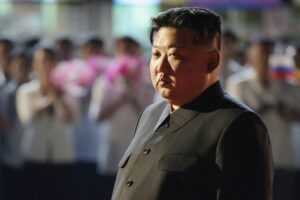
South Korea is about to elect a new president. North Korea has changed in recent years. Seoul’s approach to the Kim regime must change to reflect new risks — and Korea’s democratic strength.
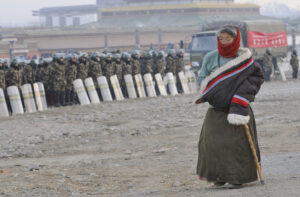
The Chinese Communist Party is attempting to rename the Tibetan people’s homeland, part of a wider effort to eradicate Tibet’s cultural identity. For Tibet, it’s more than just a name.